


Lasik Surgery Guide - What to Expect Before During and After Treatment

Clearer vision without daily glasses or contact lenses sounds simple, but LASIK is still a surgical procedure. The best results usually come from knowing what will happen at each stage, asking the right questions, and following aftercare closely.
LASIK, short for laser-assisted in situ keratomileusis, reshapes the cornea so light focuses more accurately on the retina. It can treat common refractive errors such as myopia, hyperopia, and astigmatism.
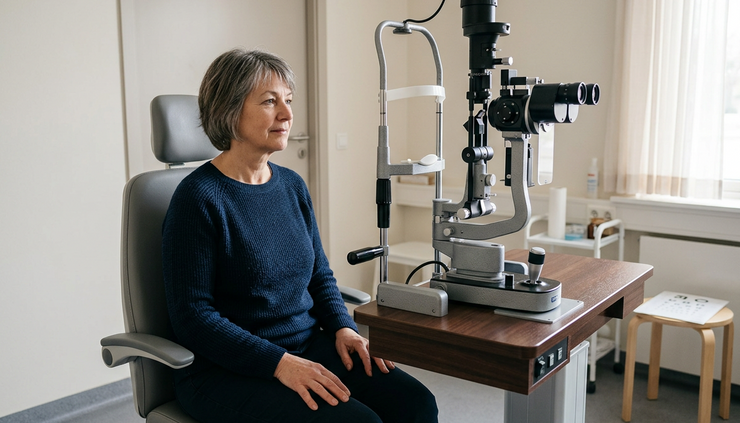
Before LASIK surgery
The preparation stage matters as much as the surgery itself. LASIK is not recommended for everyone, and the screening process is designed to protect both safety and results.
A typical pre-surgery evaluation includes checks for:
Corneal thickness and shape
Pupil size
Eye pressure
Tear film quality
Prescription stability
General eye health
Medical history and current medicines
The surgeon may also ask about previous eye infections, dry eye symptoms, autoimmune conditions, diabetes, pregnancy, or breastfeeding. These factors can affect healing or the timing of surgery.
Contact lenses can temporarily change the shape of the cornea. Many clinics advise stopping them before the assessment and before surgery. The exact timing depends on the type of lens, so follow the clinic’s instructions rather than guessing.
During the consultation, ask practical questions such as:
Am I a suitable candidate for LASIK?
Is my prescription stable enough?
What result is realistic for my eyes?
What side effects should I expect?
What happens if I still need glasses for some tasks?
How many follow-up visits will I need?
A good consultation should not feel rushed. The surgeon should explain the benefits, limits, risks, and alternatives. Some people may be better suited to PRK, SMILE, implantable lenses, or simply continuing with glasses or contact lenses.
Getting ready on surgery day
LASIK is usually done as a day procedure. Most people do not need hospital admission, and the actual laser time is brief. Still, plan the day carefully.
Avoid eye makeup, kajal, creams, perfume, or strong fragrances on the day of surgery unless your clinic gives different instructions. These can interfere with the clean surgical environment. Wear comfortable clothes and arrange for someone to take you home, as vision may be blurry and light sensitivity is common afterwards.
Before the procedure, the team will confirm your details, check your eyes again, and put numbing drops in the eye. These drops reduce pain during treatment. Some clinics may give a mild calming medicine if needed.
You will stay awake during LASIK. That can sound worrying, but the eye is held gently in position, and the surgeon guides each step. The laser systems also have tracking technology to follow small eye movements.
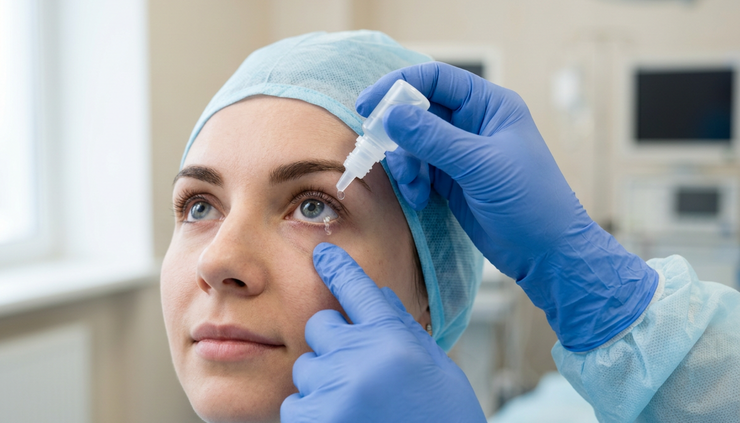
What happens during LASIK surgery
The procedure usually follows a clear sequence. While techniques can vary by clinic and device, the basic steps are similar.
The surgeon first places numbing drops in the eye. A small instrument keeps the eyelids open so blinking does not interrupt the procedure. You may feel pressure, but pain should be minimal.
Next, the surgeon creates a thin flap in the cornea. This may be done with a femtosecond laser or another approved method. The flap is lifted gently, and the excimer laser reshapes the corneal tissue underneath according to your prescription.
During the laser part, you may be asked to look at a target light. You might notice clicking sounds or a mild smell from the laser interaction with the corneal tissue. This is expected and brief.
Once reshaping is complete, the surgeon places the corneal flap back in position. It begins to settle naturally without stitches. The same process may be repeated for the other eye if both eyes are being treated on the same day.
The entire appointment may take longer because of preparation and post-procedure checks, but the laser treatment itself is usually short.
Right after the procedure
Vision often improves quickly, but it is normal for it to fluctuate at first. Many people describe the first few hours as foggy or watery. The eyes may sting, burn, feel gritty, or water more than usual.
Common early symptoms include:
Blurred or hazy vision
Light sensitivity
Mild discomfort
Watering
Red patches on the white of the eye
A feeling like an eyelash is stuck in the eye
Rest is the best plan after leaving the clinic. Keep your eyes closed as much as advised, use prescribed drops exactly as directed, and avoid rubbing your eyes. Rubbing can disturb the healing corneal flap.
The clinic may provide protective shields or glasses, especially for sleep. Use them as instructed, even if your eyes feel fine.

Recovery in the days and weeks after LASIK
Most people return to routine activities within a few days, but full healing can take longer. Vision may sharpen, soften, and sharpen again while the surface of the eye heals and dryness settles.
Follow-up visits are part of the treatment, not an optional extra. The surgeon checks healing, vision quality, eye pressure, and any signs of dryness or inflammation.
Your aftercare plan may include:
Antibiotic eye drops
Anti-inflammatory eye drops
Lubricating drops
Temporary limits on screen time
Avoiding swimming pools and dusty environments
Avoiding eye makeup for a short period
Wearing sunglasses outdoors if light feels harsh
Dryness is one of the most common temporary issues after LASIK. Lubricating drops can help, but use only what your doctor recommends. Do not use old drops or share eye medicines.
Night glare, halos around lights, and starbursts can happen during recovery. For many people, these reduce with time. If symptoms are severe, worsening, or affecting daily life, contact the clinic.
Call your doctor quickly if you notice increasing pain, sudden vision drop, heavy discharge, worsening redness, or injury to the eye. Early care can prevent complications from becoming more serious.

What results can you expect
LASIK aims to reduce dependence on glasses or contact lenses. Many people achieve clear distance vision, but results vary based on prescription, corneal shape, age, healing response, and eye health.
Some people may still need glasses for night driving, reading, or very fine work. Ageing changes such as presbyopia can still occur later, even after successful LASIK. The surgery reshapes the cornea, but it does not stop natural age-related changes inside the eye.
A realistic mindset helps. LASIK can be life-changing for the right candidate, but it is not a guarantee of perfect vision forever. The goal is safer, clearer, more convenient vision with risks understood in advance.
Final takeaway
A good LASIK experience starts before the laser ever touches the eye. Choose a qualified eye surgeon, complete the screening properly, follow pre-surgery instructions, and take aftercare seriously.
If LASIK is suitable for you, the procedure is usually quick, and recovery is often manageable. The key is not to rush the decision. Clear vision matters, and so does making the choice with clear information.


Comments