


Halitosis Explained - Causes Prevention and Fresh Breath Tips

Bad breath can turn an ordinary conversation into an uncomfortable moment. The medical term is halitosis, and it is common, manageable, and often linked to habits that can be changed.
Most cases begin in the mouth. Bacteria break down food particles, plaque builds up, and the tongue can hold odour-causing compounds. At times, bad breath can also point to dry mouth, gum disease, sinus issues, acid reflux, diabetes, or other medical concerns. This guide is informational only and should not replace advice from a dentist or doctor.
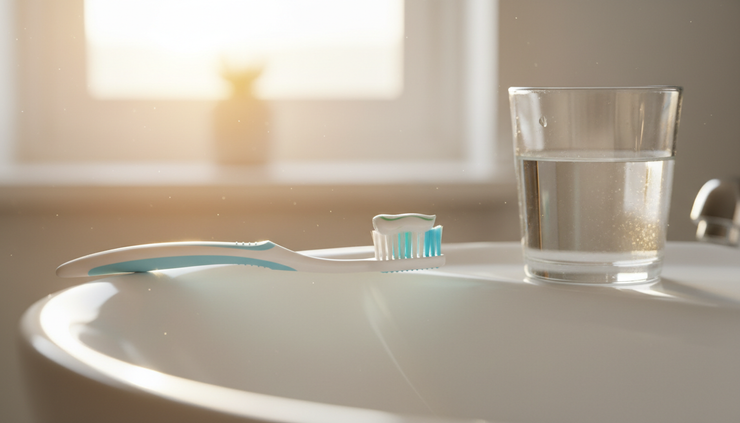
What causes halitosis
Halitosis usually has more than one trigger. Understanding the cause makes it easier to choose the right fix.
Poor oral hygiene
When brushing and flossing are irregular, food particles stay between teeth and along the gumline. Bacteria feed on them and release sulphur-like odours. Plaque can also irritate the gums, leading to bleeding, swelling, and gum disease, which can make breath worse.
The tongue is another major source. Its rough surface traps bacteria, especially towards the back. A clean tongue often makes a noticeable difference.
Foods and drinks with strong odours
Garlic, onion, certain spices, coffee, alcohol, and tobacco can affect breath. Some smells come directly from the mouth, while others enter the bloodstream during digestion and leave through the lungs.
In Indian meals, ingredients like garlic chutney, raw onion, strong masalas, and pickles can linger. They are not “bad” foods, but they may need balance with water, fibre-rich foods, and better cleaning after meals.
Dry mouth
Saliva helps wash away food bits and bacteria. When the mouth is dry, odour builds faster. Dry mouth can happen due to dehydration, mouth breathing, long gaps between meals, some medicines, or sleeping with the mouth open.
Morning breath is a common example. Saliva flow drops during sleep, so bacteria become more active overnight.
Dental and medical conditions
Persistent bad breath can be linked to:
Cavities
Gum disease
Poorly fitting dentures or dental appliances
Mouth ulcers or infections
Tonsil stones
Sinus or throat infections
Acid reflux
Uncontrolled diabetes
Liver or kidney conditions, in rare cases
If bad breath comes with tooth pain, swelling, pus, loose teeth, or pain while chewing, dental care should not be delayed.
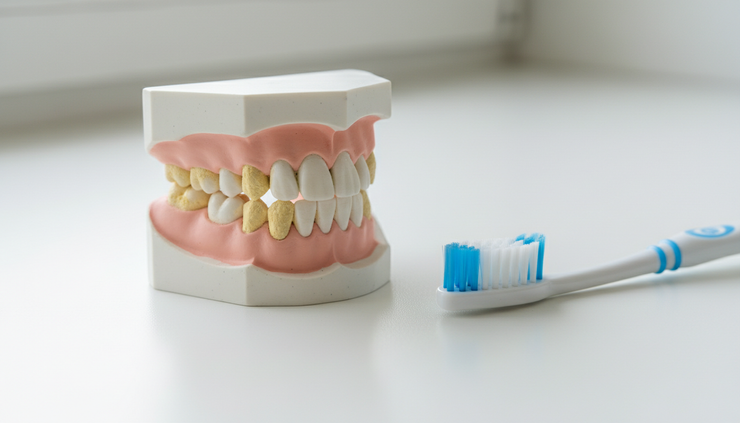
How to prevent bad breath with better oral care
A strong routine does not need to be complicated. It needs to be consistent.
Brush with the right technique
Brush twice a day for about two minutes. Use a soft-bristled toothbrush and fluoride toothpaste.
Try this simple method:
Hold the brush at a slight angle towards the gumline.
Use small circular motions instead of hard scrubbing.
Clean the outer, inner, and chewing surfaces of every tooth.
Brush gently along the gumline.
Replace the brush or brush head when bristles fray.
Hard brushing can damage gums and enamel. A gentle, thorough clean works better than force.
Clean between the teeth
A toothbrush cannot fully reach between teeth. Floss, interdental brushes, or water flossers help remove trapped food and plaque. If gums bleed at first, that may mean inflammation is already present. If bleeding continues, see a dentist.
Do not skip the tongue
Use a tongue scraper or the back of a toothbrush. Start near the back of the tongue and pull forward gently. Rinse after each pass. Avoid scraping so hard that the tongue feels sore.
Use mouthwash wisely
Mouthwash can help, but it should not replace brushing and flossing. Look for an antibacterial or fluoride mouthwash if advised by a dentist. Alcohol-free options may suit people with dry mouth.
Strong medicated rinses, such as chlorhexidine, should usually be used only for a short time and under dental guidance. Long-term use can stain teeth or change taste.
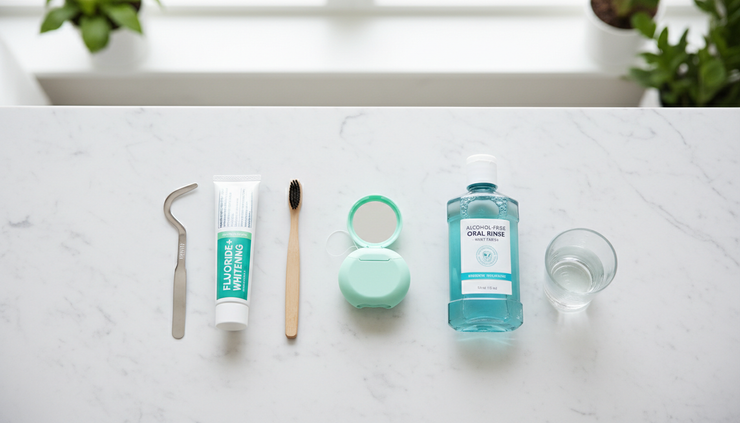
Food and lifestyle changes that help breath stay fresh
Fresh breath is not only about what happens at the sink. Daily choices matter too.
Drink enough water through the day, especially in hot weather or after tea, coffee, or salty snacks. Water supports saliva flow and helps rinse away food particles.
Choose crunchy fruits and vegetables like apples, carrots, cucumber, and guava. They do not replace brushing, but their texture can help clear some debris. Unsweetened curd may also be useful for some people as part of a balanced diet.
Limit frequent sugary snacks. Sugar feeds bacteria that cause plaque and cavities. If you eat sweets, it is better to have them with a meal rather than nibbling all day.
Tobacco is a major reason for bad breath. It also raises the risk of gum disease, staining, and oral cancer. Quitting can improve breath and overall oral health.
If acid reflux is a trigger, avoid lying down right after meals. Smaller meals, less late-night snacking, and medical advice can help manage reflux-related odour.
Fresh breath tips for the whole day
A few small habits can keep breath pleasant between morning and night.
Rinse with water after meals This is useful when brushing is not possible.
Carry sugar-free gum Chewing stimulates saliva. Choose sugar-free options to protect teeth.
Keep a travel toothbrush A quick brush after lunch can help, especially after onion, garlic, or coffee.
Clean dental appliances daily Retainers, aligners, dentures, and mouthguards can hold bacteria if not cleaned.
Do not mask the problem for too long Mints and sprays may cover odour briefly, but they do not treat plaque, gum disease, cavities, or infection.
Schedule dental check-ups Professional cleaning removes tartar that brushing cannot remove at home.

When bad breath needs professional attention
Occasional bad breath after a strong meal is normal. Persistent halitosis is different. See a dentist if bad breath lasts despite good brushing, flossing, tongue cleaning, and hydration.
Get checked sooner if there is:
Gum bleeding
Tooth pain
Swelling
Loose teeth
A bad taste that does not go away
White patches, sores, or ulcers that do not heal
Dry mouth that feels constant
A dentist can check for cavities, gum disease, impacted food, infection, and appliance-related issues. If the mouth is healthy, a doctor may look for sinus, reflux, medication, or general health causes.
Fresh breath starts with a clean mouth, steady hydration, and attention to warning signs. Brush well, clean your tongue, watch common food triggers, and seek care when odour does not improve. Halitosis is common, but with the right routine, it does not have to control daily life.



Comments