


The Diabetes -Vision Connection

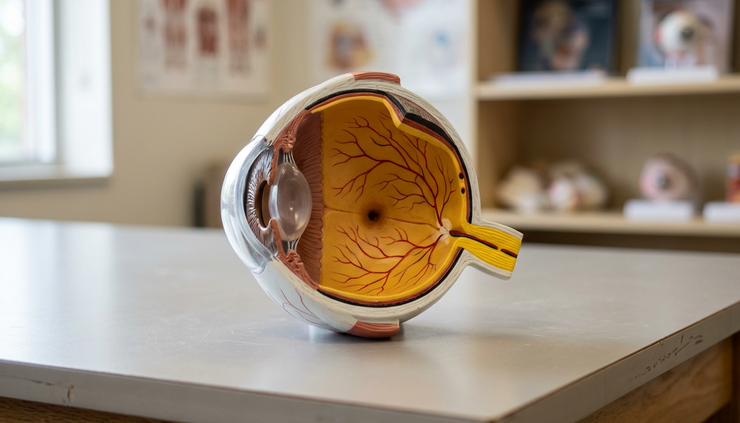
Diabetes can affect the eyes long before vision feels “bad.” That is what makes the diabetes vision connection so important. Clear eyesight does not always mean the retina, the light-sensitive layer at the back of the eye, is healthy.
High blood sugar can damage tiny blood vessels across the body. In the eyes, these vessels are delicate. When they weaken, leak, swell, or close off, vision can change slowly, suddenly, or not at all until the condition has advanced.

How diabetes affects the eyes
The eye depends on steady blood flow and healthy nerves. Diabetes can disturb both.
When blood sugar stays high over time, the small blood vessels in the retina can become weak. Some may leak fluid or blood. Others may become blocked. The eye may then grow new, fragile blood vessels that bleed easily. This is the basis of diabetic retinopathy, one of the most common diabetes-related eye problems.
Diabetes can also increase the risk of:
Diabetic macular oedema Swelling in the macula, the central part of the retina used for sharp vision.
Cataracts Clouding of the natural lens, which can make vision hazy or dull.
Glaucoma Damage to the optic nerve, often linked with raised eye pressure.
Temporary blurry vision Blood sugar changes can shift fluid levels in the eye, causing short-term focusing problems.
Not every person with diabetes will develop serious eye disease. Risk rises when blood sugar, blood pressure, and cholesterol remain high, or when diabetes has been present for many years.
Vision changes that should not be ignored
Some diabetes-related eye problems develop without pain. Others cause symptoms that are easy to dismiss as tiredness, ageing, or screen strain.
Watch for these changes:
Blurry or fluctuating vision
Dark spots, floating shapes, or cobweb-like shadows
Trouble reading, driving, or recognising faces
Colours looking faded
A dark or empty patch in the centre of vision
Sudden vision loss in one eye
Eye pain, redness, or halos around lights
A sudden shower of floaters, flashes of light, or a curtain-like shadow over vision needs urgent medical attention. These can point to bleeding inside the eye or a retinal problem.
Short-term blur can happen when blood sugar rises or falls quickly. Even then, repeated blur is not something to ignore. An eye examination can help tell whether the cause is temporary focusing change, dry eye, cataract, or retinal disease.
Why regular eye checks matter even when vision is clear
Waiting for symptoms is risky because the retina can be damaged before eyesight changes. A routine eye check can detect early signs when treatment is often more effective.
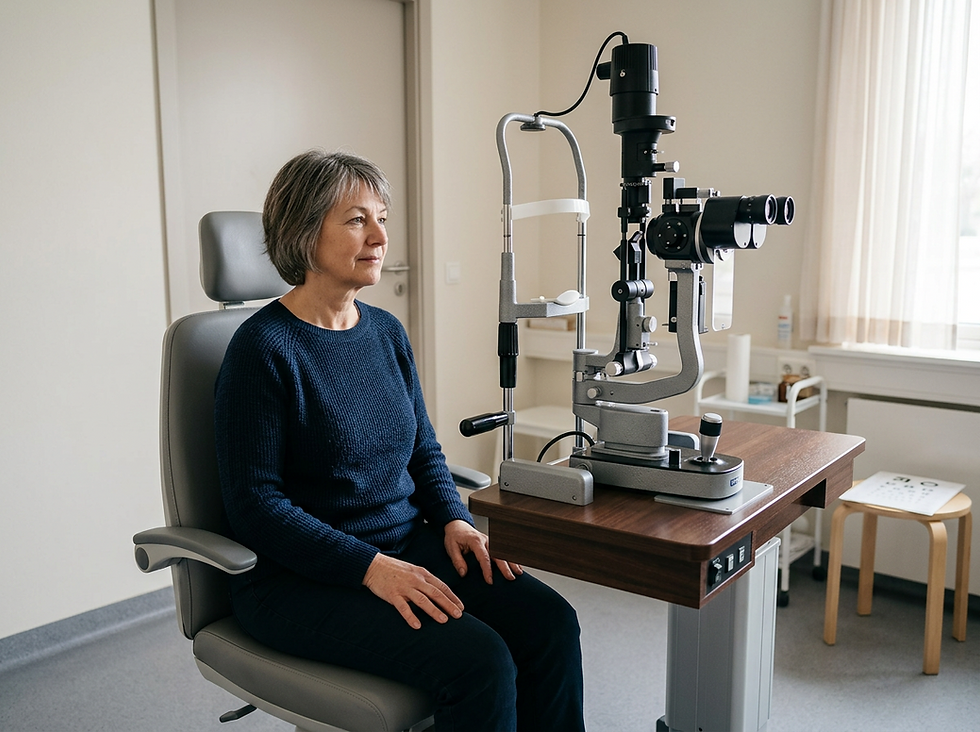
A diabetes eye examination may include:
Checking visual clarity
Measuring eye pressure
Dilating the pupils with drops
Examining the retina
Taking retinal photographs or scans when needed
People with type 2 diabetes are often advised to have an eye examination soon after diagnosis, because diabetes may have been present for some time already. People with type 1 diabetes may be advised to start screening after some years of living with the condition. Pregnancy can also change eye risk in people with diabetes, so eye care should be discussed early.
The exact schedule varies. Many people need a check once a year, while some need more frequent visits. Our specialist team at Netrayatan Hospital will guide you through each visit as well as your follow ups.
What helps protect vision with diabetes
Eye health is closely tied to overall diabetes care. No single habit guarantees protection, but steady control lowers the chance of damage and slows progression when problems have begun.
Focus on these practical steps:
Keep blood sugar in the target range
Follow the plan given by the treating doctor. Avoid making medication changes without medical advice.
Manage blood pressure and cholesterol
High blood pressure can make retinal blood vessel damage worse. Cholesterol control also supports blood vessel health.
Do not skip eye appointments
A clear vision chart result is not the same as a healthy retina. Dilated retinal checks matter.
Report new symptoms quickly
Do not wait for the next annual visit if vision changes suddenly.
Stop smoking if applicable
Smoking affects blood vessels and can add to diabetes-related risks.
Stay consistent with kidney and heart checks
Diabetes affects blood vessels throughout the body. Eye changes can sometimes appear alongside other complications.
Food choices, activity, sleep, and medication routines also matter. In India, where high-carbohydrate meals can be part of daily eating patterns, portion planning and regular monitoring can be especially useful. The goal is not perfection. The goal is fewer sharp swings and better long-term control.
Treatment options can help when problems are found
Finding diabetic eye disease does not always mean vision loss is inevitable. Treatment depends on the type and stage of the problem.
An ophthalmologist may suggest:
Closer monitoring
Laser treatment for specific retinal changes
Injections into the eye for macular swelling or abnormal blood vessel growth
Surgery for advanced bleeding, scar tissue, or cataract
Better control of blood sugar, blood pressure, and cholesterol alongside eye treatment
Eye injections and laser procedures can sound frightening, but they are common treatments in retinal care. The right approach depends on scans, examination findings, and how vision is affected.
The key point is timing. Earlier detection gives more options. Once severe retinal damage has occurred, treatment may still help, but restoring lost vision can be harder.
The takeaway for protecting your sight
Diabetes and vision are connected through the body’s smallest blood vessels. The danger is that eye damage can stay silent while daily vision still seems normal.
Make eye care part of diabetes care, not a separate concern. Keep regular retinal checks, control blood sugar and blood pressure, and act quickly when vision changes. Clear sight is worth protecting before there is a problem, not only after one appears.


Comments